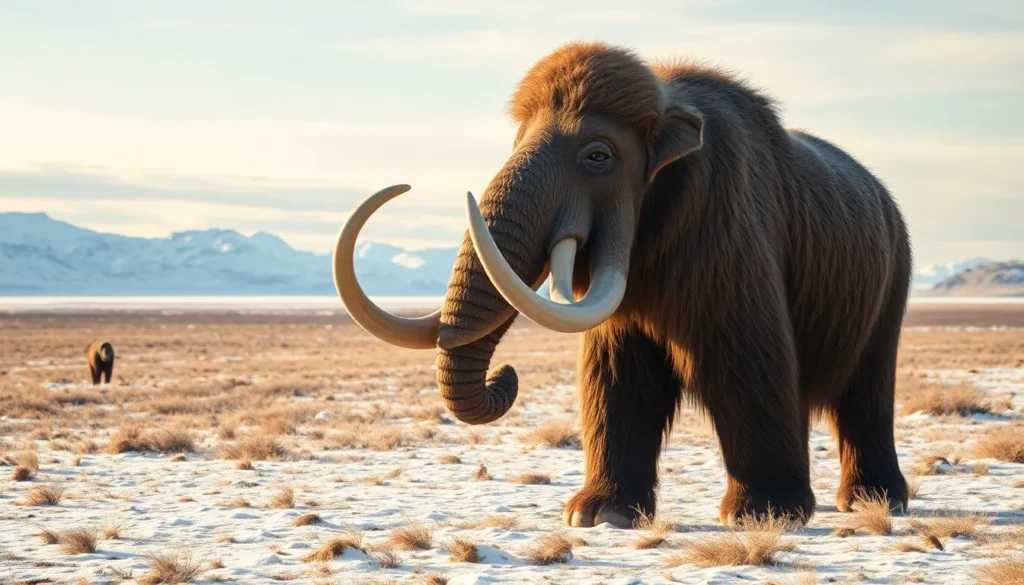
Imagine a time when woolly mammoths roamed the Earth, trumpeting their way through icy landscapes like nature’s oversized, furry elephants. These majestic creatures have long fascinated scientists and curious minds alike, sparking questions about their extinction. When did the last woolly mammoth take its final bow?
Overview of Woolly Mammoths
Woolly mammoths inhabited vast, cold regions during the late Pleistocene epoch. Characteristics included long, curved tusks and a thick coat of fur, offering insulation against harsh climates. Adaptations enabled survival in frigid environments, with a layer of fat beneath their skin for additional warmth.
Social structures involved small herds consisting of females and young individuals, while males often lived alone. These animals primarily grazed on grasses, shrubs, and other vegetation found in tundra landscapes. Their diet showcased a remarkable ability to exploit various food sources available in their environment.
Fossil records reveal woolly mammoths thrived across Europe, Asia, and North America. Their remains provide insights into their behavior, with evidence of complex interactions among individuals. Findings indicate they utilized tools to aid in foraging and interacted with other species in their ecosystems.
Extinction events triggered significant population decline, primarily due to climate change and overhunting. While most woolly mammoths disappeared around 10,000 years ago, isolated groups persisted on Wrangel Island until approximately 4,000 years ago. Data confirms this last population encountered unique challenges, ultimately leading to their extinction.
Understanding the woolly mammoth’s ecology and lifestyle paints a vivid picture of life in the Pleistocene. Research continues to reveal their significance in prehistoric ecosystems and highlights their adaptability to environmental changes.
Timeline of Woolly Mammoth Extinction
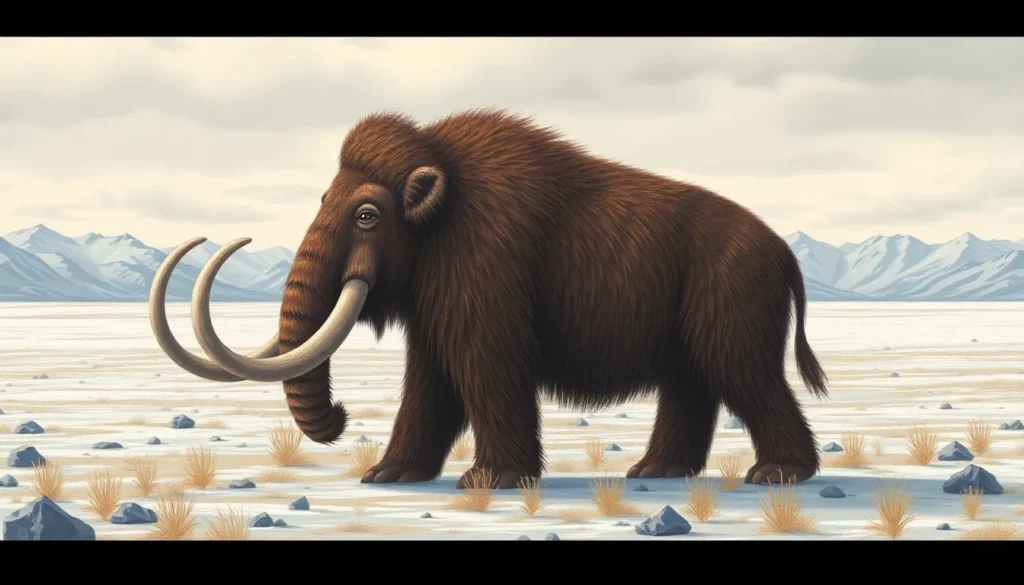
Woolly mammoths faced extinction over thousands of years, emphasizing their decline in prehistoric environments. Their story unfolds through various stages, showcasing both their adaptation and ultimate disappearance.
Prehistoric Era
During the late Pleistocene epoch, woolly mammoths roamed across Europe, Asia, and North America. These majestic creatures thrived in cold, grassy tundras. Evidence shows they lived in social groups, primarily consisting of females and their offspring. Males often preferred solitary lives. Fossil records confirm their diverse diets comprised grasses, herbs, and shrubs, allowing them to adapt to changes. The presence of extensive remains in northwestern Russia suggests that these animals once dominated the arctic landscape. Their last known populations lingered on Wrangel Island, remaining until roughly 4,000 years ago.
Factors Leading to Extinction
Several key factors contributed to the extinction of woolly mammoths. Climate change played a significant role, dramatically altering their habitats. As temperatures rose, glacial landscapes transformed into uninhabitable environments. Overhunting also proved detrimental, with early humans exploiting these giant animals for food and materials. Isolated populations struggled to recover due to shrinking numbers and resource scarcity. Ecological changes diminished food supplies, compounding the impact of human activity. Research highlights that the convergence of these elements led to the woolly mammoth’s eventual disappearance from the earth’s ecosystems.
The Last Known Woolly Mammoth
The last known woolly mammoths roamed the Earth until around 4,000 years ago. These creatures survived on Wrangel Island, located in the Arctic Ocean, long after their relatives disappeared from mainland areas.
Location and Habitat
Wrangel Island hosted a unique environment suitable for woolly mammoths. The island featured cold, tundra-like habitats, complete with abundant grasses and shrubs. Isolated from continental climates, this location provided a refuge with minimal human disturbances. Small herds thrived in the area, allowing for social structures to continue. Despite their isolation, these mammoths adapted well to their surroundings. Cold temperatures did not deter their survival; instead, they utilized their thick fur and fat reserves.
Significant Findings
Archaeological discoveries in the early 2000s revealed important insights about the last woolly mammoths. Researchers found well-preserved remains, including bones, tusks, and even some frozen carcasses. These findings highlighted the creatures’ physical adaptations and behaviors. Moreover, DNA analysis showed genetic diversity among the Wrangel Island population. Insights into their diet indicated reliance on local vegetation, emphasizing their adaptability. These significant findings enhance the understanding of woolly mammoth biology, ecology, and the factors leading to their eventual extinction on the island.
Scientific Theories and Research
Research regarding woolly mammoths has evolved significantly, uncovering vital information about their extinction. Various scientific theories seek to explain the precise factors influencing their demise. One prominent hypothesis attributes extinction to climate change, which dramatically altered habitats and food availability. The end of the last Ice Age resulted in warmer temperatures, transforming tundra landscapes into forests unsuitable for woolly mammoths.
Studies indicate that a combination of climate change and human exploitation accelerated their extinction. Overhunting by early humans exacerbated the decline of woolly mammoth populations. Archaeological evidence suggests that hunting pressure increased as humans expanded into mammoth habitats, further diminishing their numbers.
Research on Wrangel Island, where the last known woolly mammoths thrived until approximately 4,000 years ago, highlights unique survival strategies. Findings indicate that these populations adapted to their isolated environment, maintaining a viable breeding population. Genetic analysis of remains from this region revealed diverse gene pools, underscoring the importance of isolation in helping these mammals endure longer than their mainland relatives.
Collaboration among scientists across disciplines has led to significant breakthroughs. Paleogenomics is enhancing understanding of woolly mammoth genetics, while climate modeling helps predict environmental shifts that contributed to their extinction. Additionally, insights into social structures and behaviors provide context on how these creatures interacted with their environment and each other.
Current research continues to reveal intricate details about woolly mammoths, enriching knowledge of their biology. By examining fossil records and advanced technological methods, researchers gain a clearer view of their adaptive traits and ecological roles. These ongoing studies not only shed light on the past but also contribute to discussions on the impacts of current climate change on modern species.
The story of the woolly mammoth captivates the imagination with its blend of resilience and vulnerability. While these magnificent creatures thrived for thousands of years in harsh environments their eventual extinction highlights the delicate balance between species and their ecosystems. The last known woolly mammoths on Wrangel Island remind us that survival is often a matter of circumstance.
As research continues to uncover the mysteries surrounding their extinction scientists gain valuable insights into the impacts of climate change and human activity. The woolly mammoth’s legacy serves as a poignant reminder of the importance of preserving biodiversity in today’s rapidly changing world.